


The quick answer
- How it protects belongings: A dehumidifier removes excess moisture from the air. When the air is less humid, fabrics, paper and stored items are less likely to absorb damp, so wardrobes and cupboards can stay fresher and storage can feel drier. See why humidity matters.
- 5 key benefits: Fresher wardrobes, protects books and photos from curling, keeps soft furnishings fresh, safeguards seasonal storage, and helps keep hobby gear and electronics in steadier conditions. See the 5 benefits.
- Simple routine: Place it in the room with storage, shut windows while running, give it good airflow and open wardrobe doors from time to time so drier air can reach the clothes. See simple setup.

A wardrobe can smell musty in a humid UAE summer even if the bedroom feels cool with the AC on. If you’ve noticed clothes that never quite feel fresh or books with wavy pages, excess humidity may be part of the problem. A dehumidifier can help keep the room comfortable and the things you store in it in better condition for longer.
1Why humidity affects clothes, books and storage
Showers, cooking, breathing and indoor laundry all release moisture. Humid outdoor air can also come into an apartment or villa when doors and windows open. Even with the AC on, moisture can linger in places with little airflow.
That moisture sits in the air as water vapour. Soft materials (like clothing and upholstery) and porous materials (like paper and cardboard) can absorb it over time, especially in enclosed spaces like wardrobes, storerooms and spare rooms.
Signs your belongings are feeling humidity:
- Wardrobes or drawers that smell a bit musty
- Clothes that feel slightly ‘cool’ or never fully fresh
- Shoes, bags or leather items that pick up a stale smell
- Books, magazines or paperwork with slightly curled or wavy pages
- Cardboard storage boxes that soften or feel damp to the touch
- Spare rooms that feel ‘heavy’ after being closed up during summer travel
If any of these sound familiar, a dehumidifier can help balance humidity so clothes smell fresher and storage stays drier.
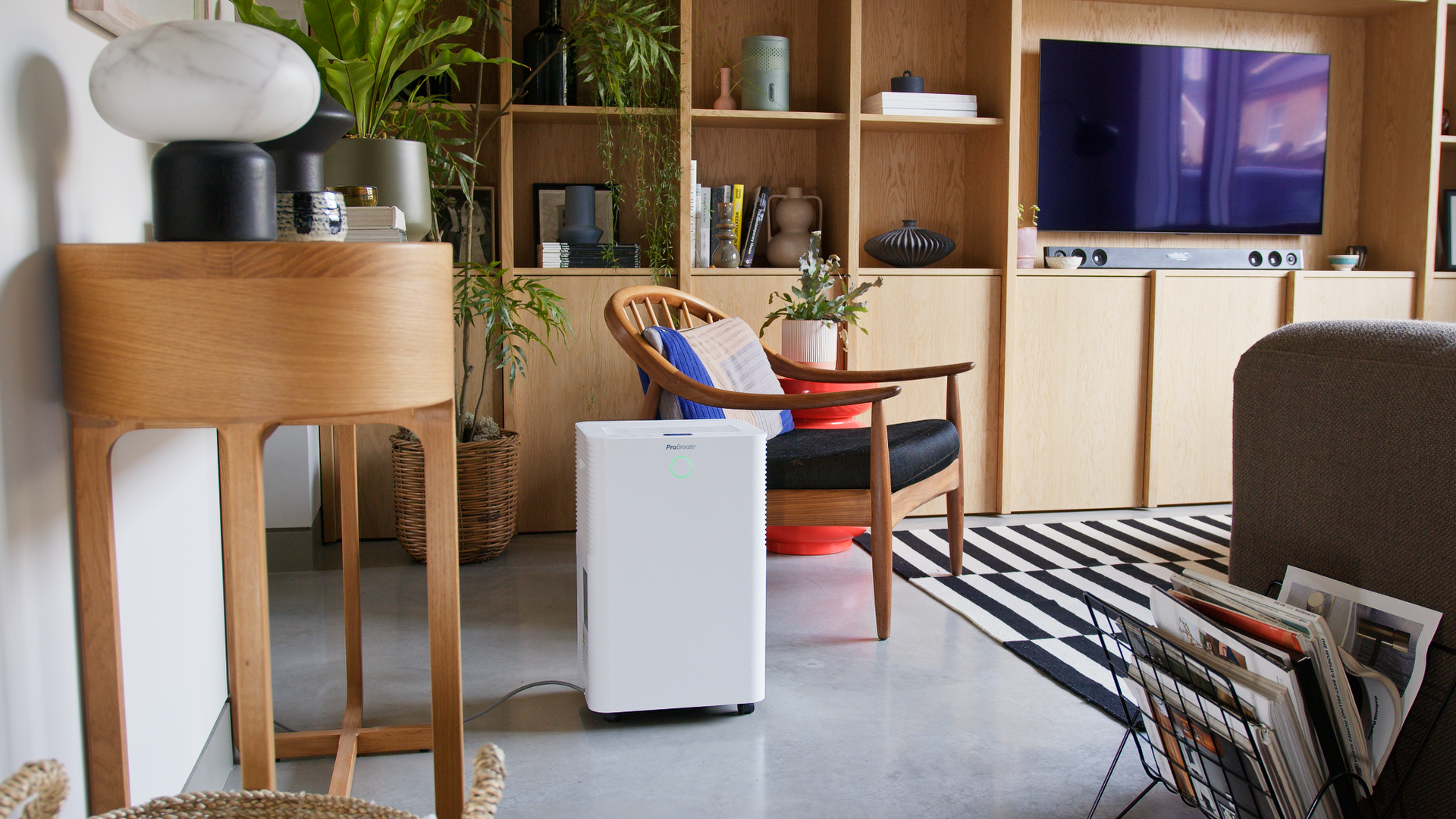
25 key ways a dehumidifier protects your belongings
1. Fresher wardrobes and better-feeling clothes
Humidity can linger in a wardrobe with closed doors and tightly packed clothes. A dehumidifier lowers the moisture level in the room, helping clothes and linens feel fresher and reducing stale odours in cupboards.
2. Protecting books, documents and photos
Paper is absorbent. In higher humidity, pages can curl, feel wavy, or stick slightly, especially in spare rooms and closed storage areas. Balanced humidity helps protect books, magazines, paperwork, photo albums and keepsakes. For long-term storage, pack dry items in sealed boxes and raise them off the floor.
3. Supporting soft furnishings
Cushions, throws, rugs, spare bedding and sofa fabrics hold onto moisture and odours. Lower humidity can help soft furnishings feel less clammy and make the room feel fresher.
4. Drier seasonal storage
Storerooms and laundry rooms can have surfaces cooled by the AC and less airflow. Managing humidity helps protect seasonal clothes, shoes, bags, luggage, decorations, keepsakes, sports equipment and camping gear between uses.
5. A safer environment for hobbies & electronics
Cameras, lenses, musical instruments, games consoles and metal components benefit from steady humidity. A dehumidifier can help reduce clamminess in a spare room or studio. Keep electronics clear of water and leave space around the unit for airflow.
3How to use a dehumidifier to protect belongings
Start with the room that holds the things you want to protect. These steps help keep its humidity steady.
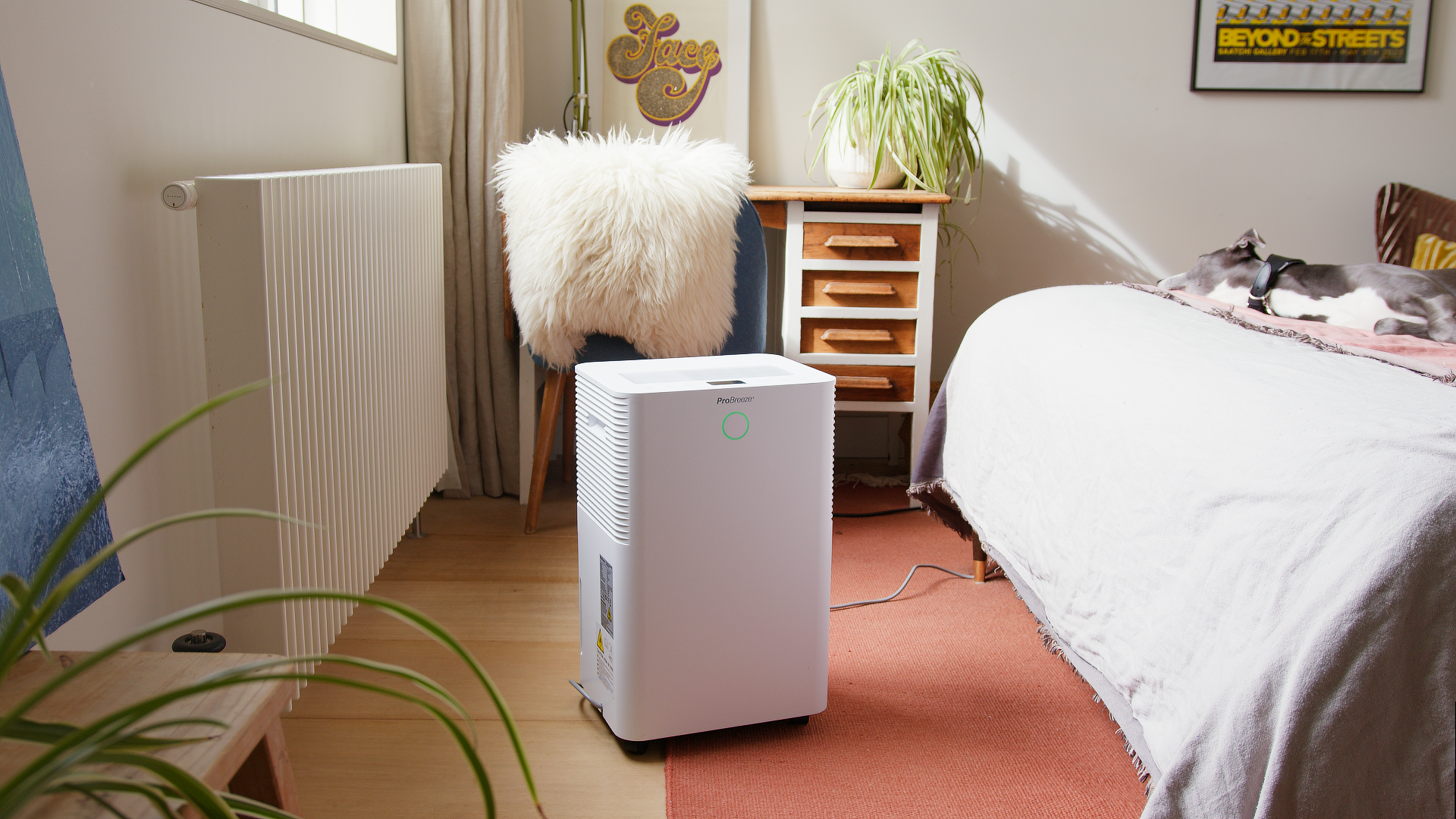
- Place it in the room where storage lives: bedroom, spare room, hallway cupboard area or utility room.
- Close windows while it’s running: this keeps humid outdoor air from flowing in.
- Give it airflow: don’t tuck the unit tight behind curtains or solid furniture.
- Use it consistently during humid periods: when humidity rises after showers or indoor laundry, or during humid coastal weather.
- Empty the tank when needed: or use a compatible model’s continuous drainage hose. Follow the setup instructions in the manual.
4Placement tips: what to do and what to avoid
Do:
- Use it in the room, not inside a closed wardrobe, and open wardrobe doors occasionally so dry air circulates.
- Aim it at the overall space for whole-room humidity balance.
- Keep bedroom or cupboard doors open to help adjacent storage areas.
Avoid:
- Running with external windows open.
- Blocking air intake vents or placing the unit tight into corners.
- Tucking it inside enclosed cupboards where it cannot draw sufficient airflow.
5Frequently asked questions
Will a dehumidifier stop mould?
A dehumidifier helps reduce the moisture mould and mildew need. Use extractor fans where appropriate and fix plumbing or AC drain leaks at the source.
Can I use it just for my wardrobe?
Yes. Run the dehumidifier in your bedroom or dressing room and leave the wardrobe doors ajar so dry air can circulate through your clothes. Avoid putting the dehumidifier inside a closed wardrobe, as it requires open airflow to operate safely and effectively.
What’s the best room to start with?
Start where you store the most: bedrooms with large wardrobes, spare rooms, storerooms, or laundry areas. If humidity rises during a humid spell, a compact dehumidifier can help keep those areas drier and fresher.
A dehumidifier removes excess moisture from the air, supporting fresher wardrobes, drier storage, and a home that feels calmer and more comfortable. Explore our home dehumidifiers to find the right model for your space, or read What Is a Dehumidifier and When Do You Need One? for help choosing.


