


The quick answer
- The three main types: compressor models for everyday rooms in humid weather, desiccant models for unusually cool AC-chilled spaces, and thermoelectric (Peltier) mini units for small spaces such as wardrobes.
- Compressor dehumidifiers: a good all-round choice for humid apartments and villas, AC-cooled bedrooms and indoor laundry. How they work.
- Desiccant dehumidifiers: useful in unusually cool rooms because they don’t depend on cold coils. How they work.
- Mini dehumidifiers: small, quiet units that help with moisture in a cupboard, wardrobe or very small ensuite. How they work.
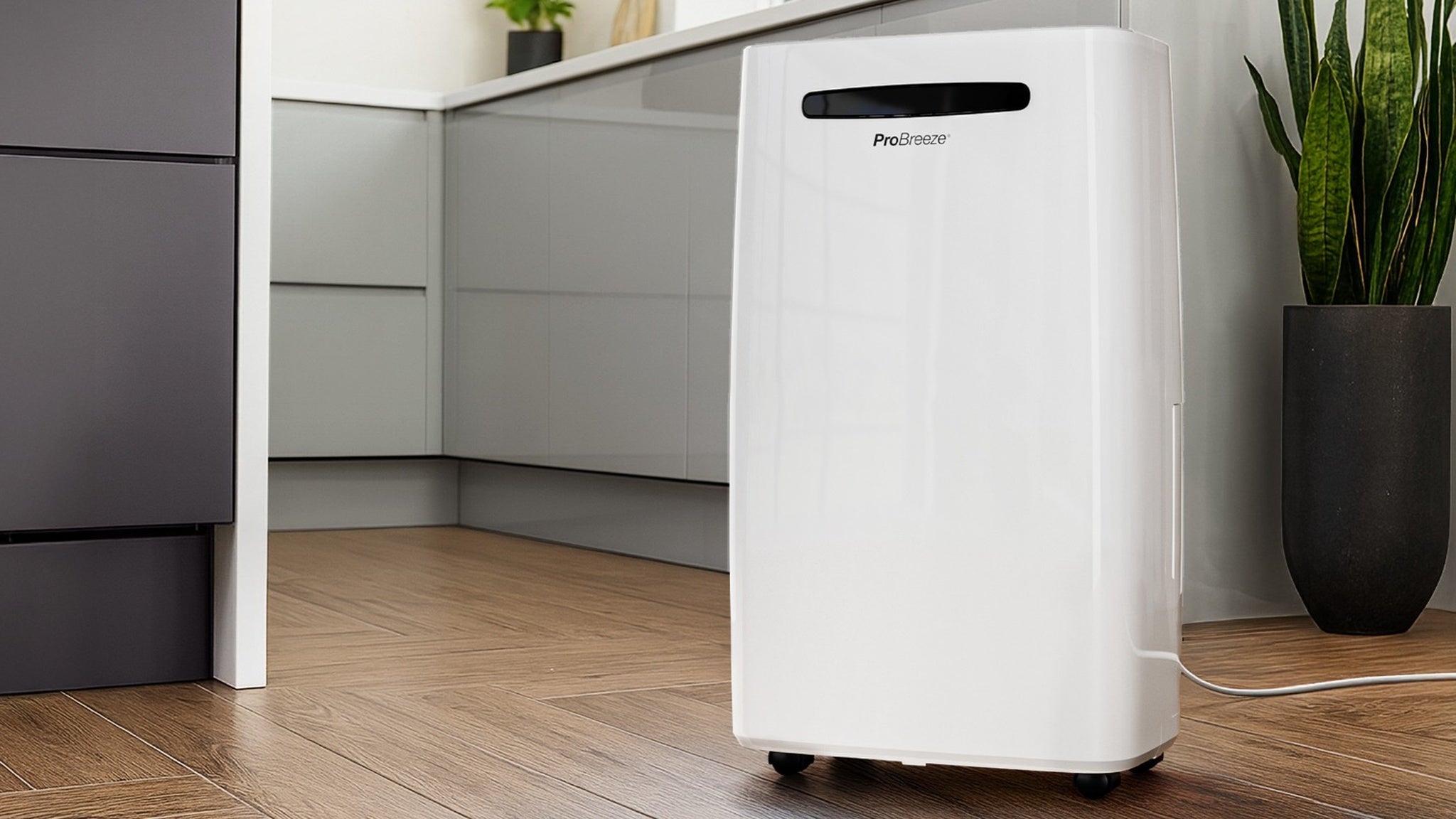
A wardrobe that smells musty in summer and an AC-cooled living room with condensation on the windows have something in common. Both need help with excess moisture, but they call for different sizes of dehumidifier. The Pro Breeze Product Team explains how each type works so you can choose one for an apartment, villa or the room where you dry laundry.
1The three main types at a glance
Most home dehumidifiers fall into three categories:
- Compressor (refrigerant) dehumidifiers are the most common type for typical room temperatures.
- Desiccant dehumidifiers often work well in unusually cool, heavily air-conditioned spaces.
- Thermoelectric (Peltier) or mini dehumidifiers are compact and quiet, for small spaces such as wardrobes and cupboards.
There are also whole-house ducted systems, but for most households, one of the three portable types above is the simplest and most flexible place to start.
2What all dehumidifiers have in common
Whatever the type, the basic idea is the same: air goes in, water comes out.
A fan pulls humid air into the unit. The dehumidifier removes water vapour, and that water collects in a tank (or runs out through continuous drainage). Drier air is then released back into the room.
Many dehumidifiers have a humidistat, a sensor that checks the air and pauses extraction once the room reaches your chosen humidity level.
3Type 1: Compressor (refrigerant) dehumidifiers
Compressor dehumidifiers remove moisture by cooling the air.
- A fan pulls humid room air in.
- The air passes over refrigerated cold coils inside the unit.
- Moisture condenses into droplets, like the beads of water on the outside of a cold glass.
- The water drips into the collection tank (or continuous drain).
- The air is gently rewarmed and released back into the room.
This design works efficiently in typical indoor temperatures and can remove a lot of moisture over time, even in an air-conditioned room.
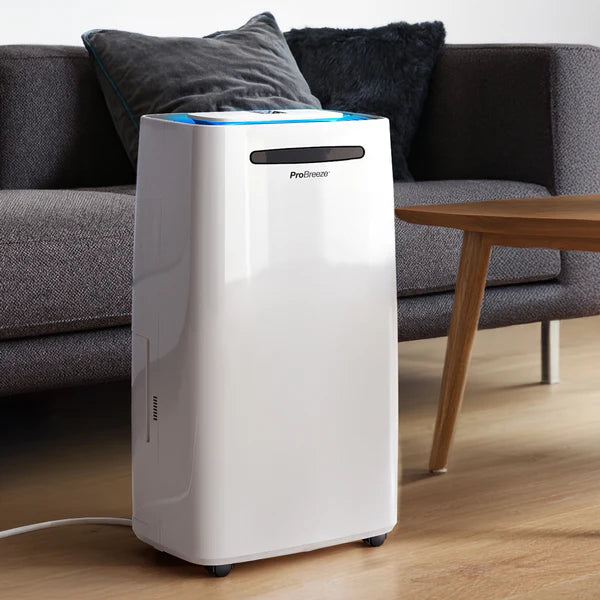
Best for: everyday rooms and general humidity control
A compressor dehumidifier is usually the best all-round choice for:
- AC-cooled bedrooms and living rooms
- Kitchens and hallways
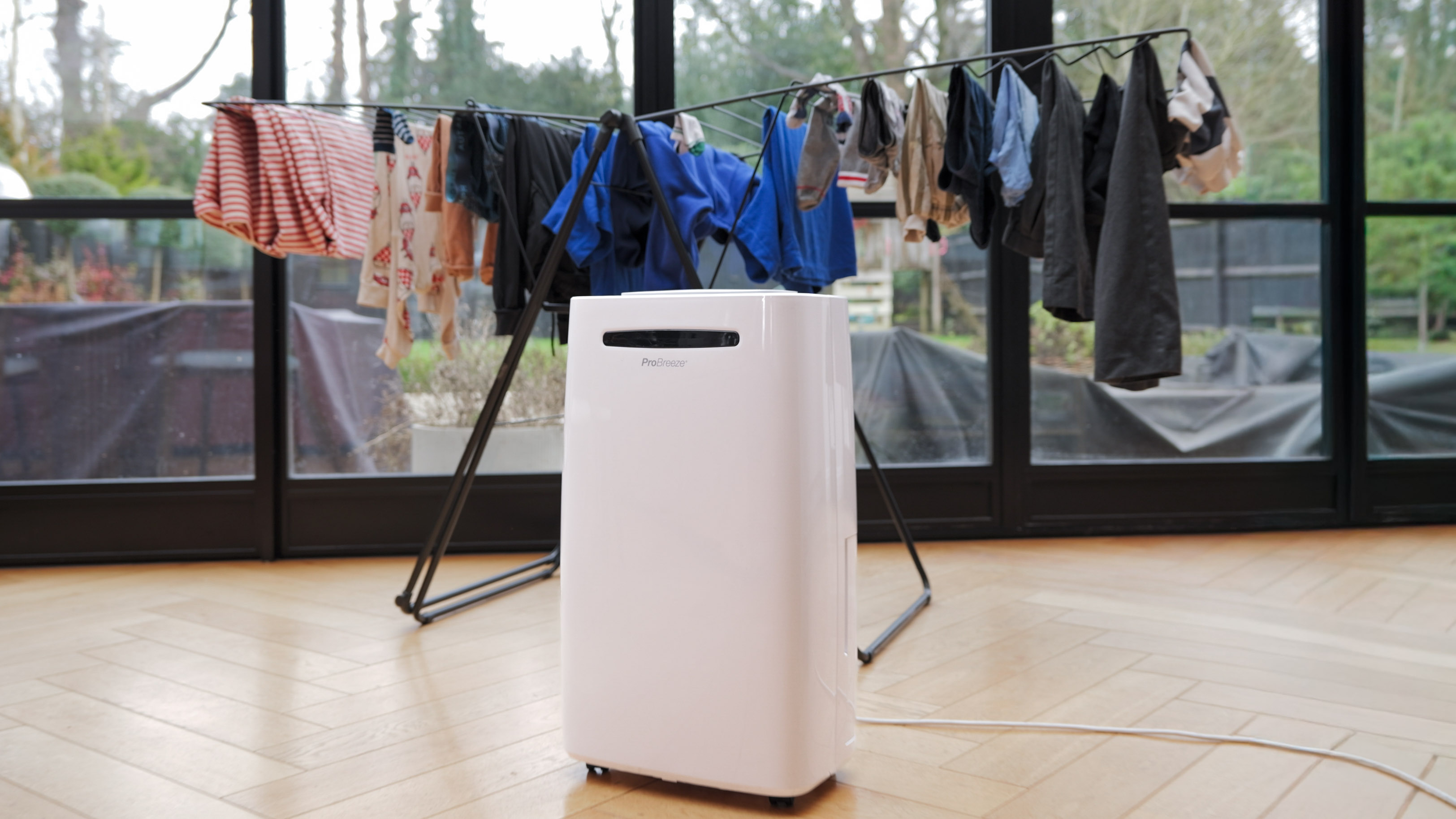
- Utility rooms and indoor laundry drying
- Homes with condensation on AC-cooled windows, damp corners or summer air that feels heavy with humidity
If the space is unusually cool, such as a heavily air-conditioned storeroom or utility room, check the appliance’s operating temperature range. Compressor extraction can slow as the room gets colder.
4Type 2: Desiccant dehumidifiers
Desiccant dehumidifiers remove moisture by absorbing it directly from the air.
Desiccant models use a moisture-absorbing material, often on a rotating wheel. The wheel catches water vapour as air passes through. A separate warm airflow dries the material so it can keep collecting moisture. Some portable models collect the released water in a tank, while some commercial systems vent the moist air outdoors.
This process works without refrigeration coils and can help when strong air conditioning keeps the space unusually cool. The air leaving the machine may be a little warmer, which can make the room feel less chilly.
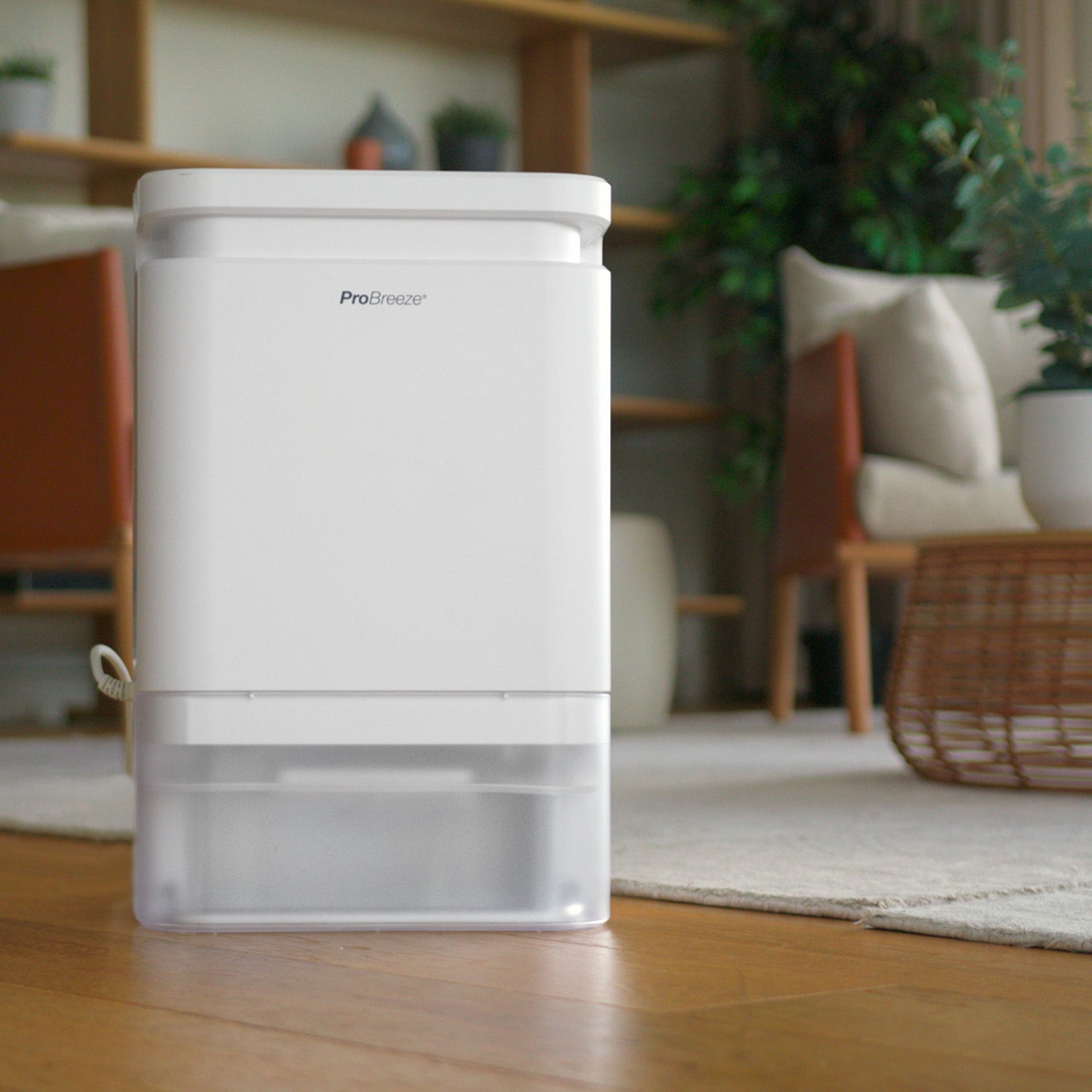
Best for: unusually cool rooms and spot-drying
As a type of dehumidifier, desiccant can suit:
- Unusually cool AC-cooled spaces such as storerooms and workshops
- AC-chilled rooms with damp corners or condensation
- Bedrooms kept unusually cool by AC where you appreciate gently warmed, drier air
- Laundry drying in cooler AC-cooled utility rooms
5Type 3: Thermoelectric (Peltier) & mini dehumidifiers
Mini dehumidifiers use thermoelectric technology (the Peltier effect). Instead of a compressor or desiccant rotor, they use a small electric plate that creates a cold side and a warm side. As moisture in the air contacts the cold plate, it condenses and drips into a compact water tank.
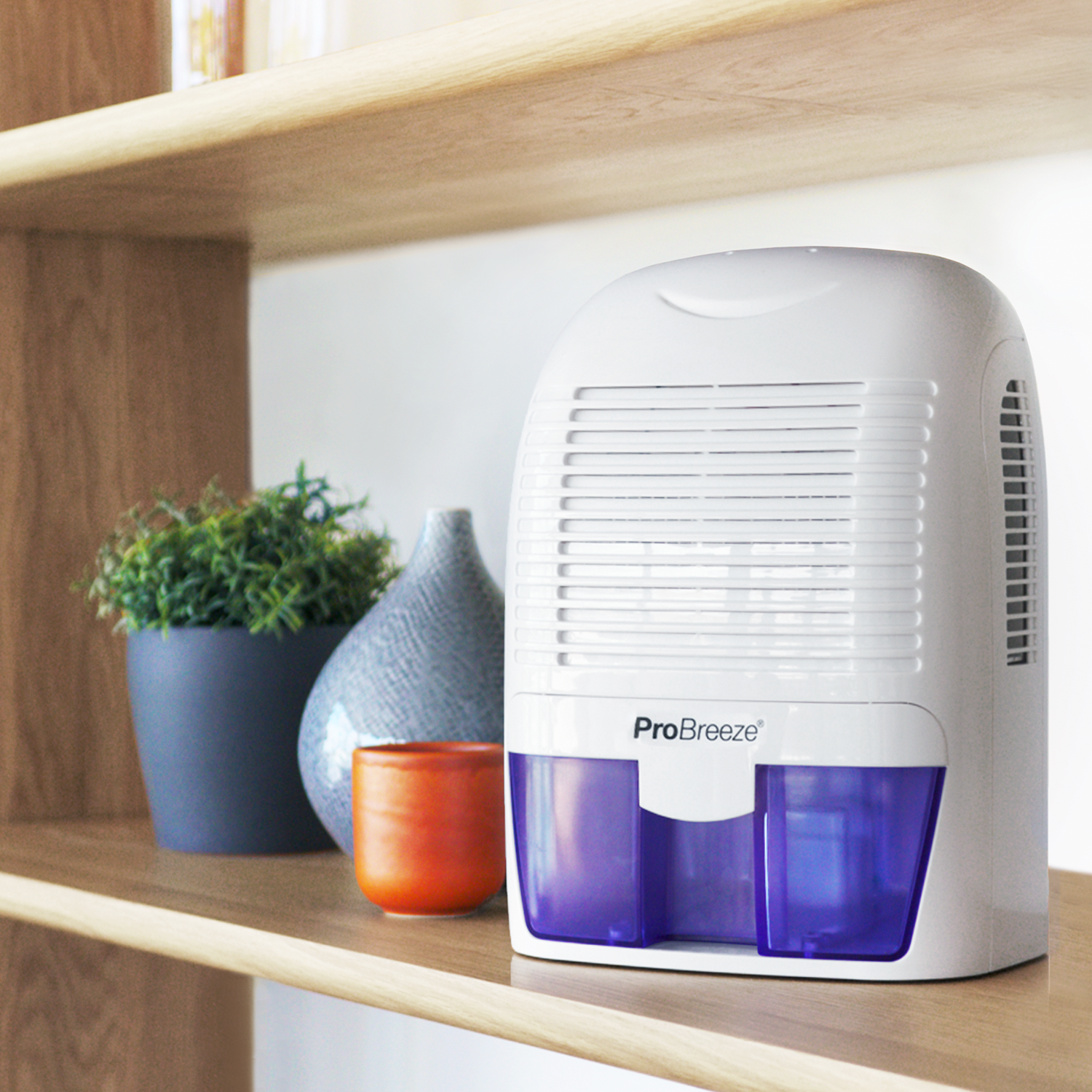
Best for: wardrobes, cupboards and small enclosed spaces
Thermoelectric units are:
- Compact and quiet, with no compressor hum
- Lower in daily moisture removal than full-size models
- Best suited to very small enclosed spaces
A mini model is a tidy option for a wardrobe, cupboard or very small ensuite. If humidity affects a whole room or clothes take too long to dry indoors, choose a full-size model.
6What about whole-house dehumidifiers?
A whole-house dehumidifier often connects to the home’s ductwork or air conditioning system and treats multiple rooms. It can help in a larger villa with persistent damp across several rooms, but usually costs more upfront and can require professional installation.
For most homes, a portable dehumidifier is a simpler, more flexible starting point. You can move it to the room where moisture builds up or where the laundry is drying.
7How to choose the right type: a simple decision guide
Start with two questions: what space are you treating, and what is the typical room temperature?
- Typical room temperature: start with a compressor dehumidifier for an AC-cooled bedroom, living room or laundry area.
- Unusually cool space: compare the operating temperature limits and consider how a desiccant design might perform.
- Small enclosed spaces: a mini thermoelectric model can be enough for a wardrobe or cupboard.
Then check these practical features:
- Room size / coverage: Match the unit’s rated area to your room dimensions.
- Extraction rate: compare how many litres per day each unit can remove under rated conditions.
- Noise: check the listed levels and speeds, especially for a bedroom or home office.
- Tank: check its capacity and how easy it is to lift and empty.
- Continuous drainage: on compatible models a hose can carry water to a suitable drain. Follow your manual for placement and setup.
- Everyday use: look for clear controls, a useful range of modes and straightforward filter maintenance.
83 tips to use any dehumidifier well
- Put it where moisture builds up: choose the room where you dry laundry, see condensation on AC-cooled windows or notice musty smells during humid weather.
- Close external windows: when the appliance is in use, this limits the amount of humid outdoor air it has to dry.
- Give it space: keep it away from curtains and corners so air can circulate. Check the clearance in your model’s manual.

OmniDry 40L Quiet Low Energy Dehumidifier with Laundry Mode and Smart App Control
AED 1,049.00
View product9Frequently asked questions
Which type works best in an unusually cool AC-cooled room?
Desiccant models often work well in unusually cool spaces because their moisture-absorbing wheel works without refrigeration coils. Check the operating temperature range of any model you consider.
Do mini dehumidifiers work?
Yes, in a small enclosed space such as a wardrobe or cupboard. For a whole room or an indoor laundry load, a full-size compressor or desiccant model generally removes more water.
Which type of dehumidifier is cheaper to run?
It depends on temperature, room size and run time. In a typical AC-cooled room, a properly sized compressor model is usually economical per litre removed. Choosing the right capacity helps the appliance reach the humidity target without unnecessary running time.
Do I need an obvious damp problem to justify buying one?
No. Less excess moisture can make the room feel fresher and help laundry dry more quickly indoors, even if there’s no visible damp patch.
Different dehumidifiers use different methods to take excess moisture out of the air. A compressor model is a practical all-rounder, a desiccant model can help in unusually cool rooms and a mini unit can handle a smaller enclosed space. Explore our home dehumidifiers to find one that suits your room.


